
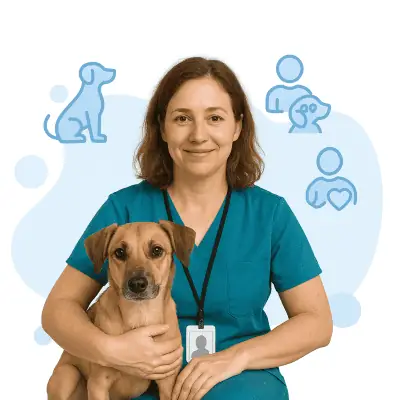
Becoming a Certified Companion Animal Rehabilitation Therapist (CCAT) offers a rewarding career that combines a love for animals with a passion for helping them recover from injuries or surgery. This specialized field focuses on providing rehabilitation therapy for pets, promoting recovery, improving mobility, and enhancing the overall quality of life for companion animals. In this article, we will explore what a CCAT does, the steps to becoming certified, the job description, salary expectations, and exam costs involved.
Free CCAT Practice Test Online
Key Takeaways
Role of a CCAT: Certified Companion Animal Rehabilitation Therapists help pets recover from injuries, surgeries, and chronic conditions through physical rehabilitation and therapy.
Career Path: To become a CCAT, you need a background in animal science, veterinary technology, or a related field, followed by specialized training in rehabilitation therapy.
Salary: The average salary for a CCAT is between $40,000 and $60,000 annually, with variations based on experience and location.
Certification: Certification typically costs between $500 and $1,000, with additional expenses for study materials and re-certification.
What is a Certified Companion Animal Rehabilitation Therapist (CCAT)?
A Certified Companion Animal Rehabilitation Therapist (CCAT) is a professional trained to provide physical therapy and rehabilitation services to companion animals, including dogs, cats, and other small animals. This role involves creating individualized rehabilitation programs to help animals recover from injuries, surgeries, or chronic conditions such as arthritis or neurological disorders.
Key Responsibilities of a CCAT include:
Assessing Animal Conditions: Evaluating the physical condition of the animal to determine the appropriate rehabilitation treatment.
Creating Rehabilitation Plans: Developing customized rehabilitation programs that may include exercises, stretches, hydrotherapy, massage, and other techniques.
Monitoring Progress: Tracking the animal’s progress and adjusting treatment plans as necessary to ensure optimal recovery.
Educating Pet Owners: Instructing pet owners on how to assist with their pet’s rehabilitation at home, including exercise regimens and mobility aids.
Collaboration with Veterinarians: Working closely with veterinarians to ensure that rehabilitation therapies align with medical treatments and surgical recovery plans.
CCATs often work in collaboration with veterinarians, particularly after surgeries, accidents, or treatments for chronic illnesses, providing animals with the best chance for a successful recovery.

How to Become a Certified Companion Animal Rehabilitation Therapist
Becoming a Certified Companion Animal Rehabilitation Therapist involves a combination of education, training, and certification. This process ensures that you have the necessary knowledge and skills to safely treat animals in need of rehabilitation therapy.
Steps to Becoming a CCAT:
Complete a Veterinary Technician or Animal Science Program
While not always mandatory, having a background in veterinary technology, animal science, or a related field is beneficial. Many CCATs are veterinary technicians or veterinarians with specialized training in rehabilitation therapy.Gain Experience in Animal Rehabilitation
Hands-on experience is crucial. Many aspiring CCATs work under the supervision of certified rehabilitation therapists or in veterinary clinics specializing in rehabilitation.Enroll in a Certified Rehabilitation Therapy Program
Look for accredited certification programs that offer courses in animal rehabilitation. These programs often include coursework in anatomy, rehabilitation techniques, pain management, and the use of therapeutic equipment.Complete Certification Requirements
Once you have the necessary training and experience, you can apply for certification through organizations such as the Canine Rehabilitation Institute (CRI) or the American Association of Rehabilitation Veterinarians (AARV). Certification exams typically test your knowledge of rehabilitation principles, animal care, and practical skills.Continuing Education
To maintain certification, you may need to engage in continuing education, such as attending workshops, courses, or conferences related to animal rehabilitation therapy.
Job Description: Certified Companion Animal Rehabilitation Therapist
A Certified Companion Animal Rehabilitation Therapist plays a pivotal role in an animal’s recovery journey. Their job involves the following key duties:
Physical Rehabilitation: Applying therapeutic techniques such as physical exercises, hydrotherapy, and massage to improve the mobility and strength of animals.
Pain Management: Using modalities like cold or heat therapy, acupuncture, and electrical stimulation to reduce pain and promote healing.
Monitoring Health Progress: Tracking the animal’s progress throughout the rehabilitation process, adjusting treatment plans as needed.
Consultation and Advice: Offering expert advice to pet owners regarding at-home exercises, mobility aids, and lifestyle adjustments for their pets.
Collaborating with Veterinary Professionals: Coordinating with veterinarians to ensure a holistic approach to the animal’s recovery, including medical treatments and rehabilitation.
CCATs work in a variety of settings, such as veterinary clinics, animal hospitals, rehabilitation centers, and even private practice. The role can be both physically demanding and emotionally rewarding as you witness animals recover and thrive under your care.
Salary of a Certified Companion Animal Rehabilitation Therapist
The salary of a Certified Companion Animal Rehabilitation Therapist can vary depending on experience, location, and the type of employer. On average, a CCAT can expect to earn between $40,000 and $60,000 annually. However, the salary range can vary significantly:
Experience: More experienced therapists with several years in the field typically earn higher salaries.
Location: The salary can be higher in urban areas or regions where veterinary care is in high demand.
Work Setting: Those working in private practices or specialized rehabilitation centers may earn more than those employed by general veterinary clinics.
While the financial rewards may vary, the emotional and personal satisfaction from helping animals recover and live pain-free lives is one of the greatest benefits of this profession.

Exam Cost: Certified Companion Animal Rehabilitation Therapist
To become a certified Companion Animal Rehabilitation Therapist, you need to pass a certification exam. The cost of certification can range from $500 to $1,000, depending on the certifying body and the level of certification you are pursuing.
Exam Costs May Include:
Application Fees: The certification exam typically requires an application fee to be paid upfront.
Study Materials: Additional costs may include purchasing study guides, textbooks, and access to practice exams.
Re-certification Fees: After a certain period, CCATs need to recertify, which may also involve exam fees and continuing education expenses.
While the upfront costs can be significant, certification ensures you are qualified and recognized in your field, which can increase your earning potential and job opportunities.
Conclusion
A career as a Certified Companion Animal Rehabilitation Therapist offers the unique opportunity to improve the lives of animals while also enjoying a fulfilling and financially stable profession. With the proper education, training, and certification, you can play a vital role in helping animals recover from injuries and surgeries, contributing to their long-term health and well-being.
By pursuing this rewarding career path, you can combine your passion for animals with a career that supports the veterinary industry and ensures the well-being of companion animals across the globe.
FAQs
What qualifications are required to become a Certified Companion Animal Rehabilitation Therapist?
You typically need a background in animal science, veterinary technology, or a related field, followed by completion of a specialized rehabilitation therapy program and certification from an accredited organization.
How much does it cost to become certified as a Companion Animal Rehabilitation Therapist?
Certification costs range between $500 and $1,000, with additional expenses for study materials, exam fees, and re-certification.
Can I work as an animal rehabilitation therapist without certification?
While it is possible to work in the field without certification, becoming certified enhances job prospects and ensures you have the necessary skills and knowledge to perform the role effectively.
What is the salary range for a Certified Companion Animal Rehabilitation Therapist?
The average salary for a CCAT ranges between $40,000 and $60,000 annually, depending on experience and location.